explore bakery packaging today
Complete Guide to Baking Packaging: Finding the Perfect Containers for Freshness and Presentation
Proper packaging is essential for preserving the integrity of baked goods while improving their aesthetic presentation. Its purpose extends beyond freshness preservation to capturing customer attention and building brand recognition. Multiple materials and design factors serve a key function in this process. Knowing how to choose the appropriate containers can significantly impact a baker's success. What factors should bakers consider to guarantee their packaging meets both practical and aesthetic needs?
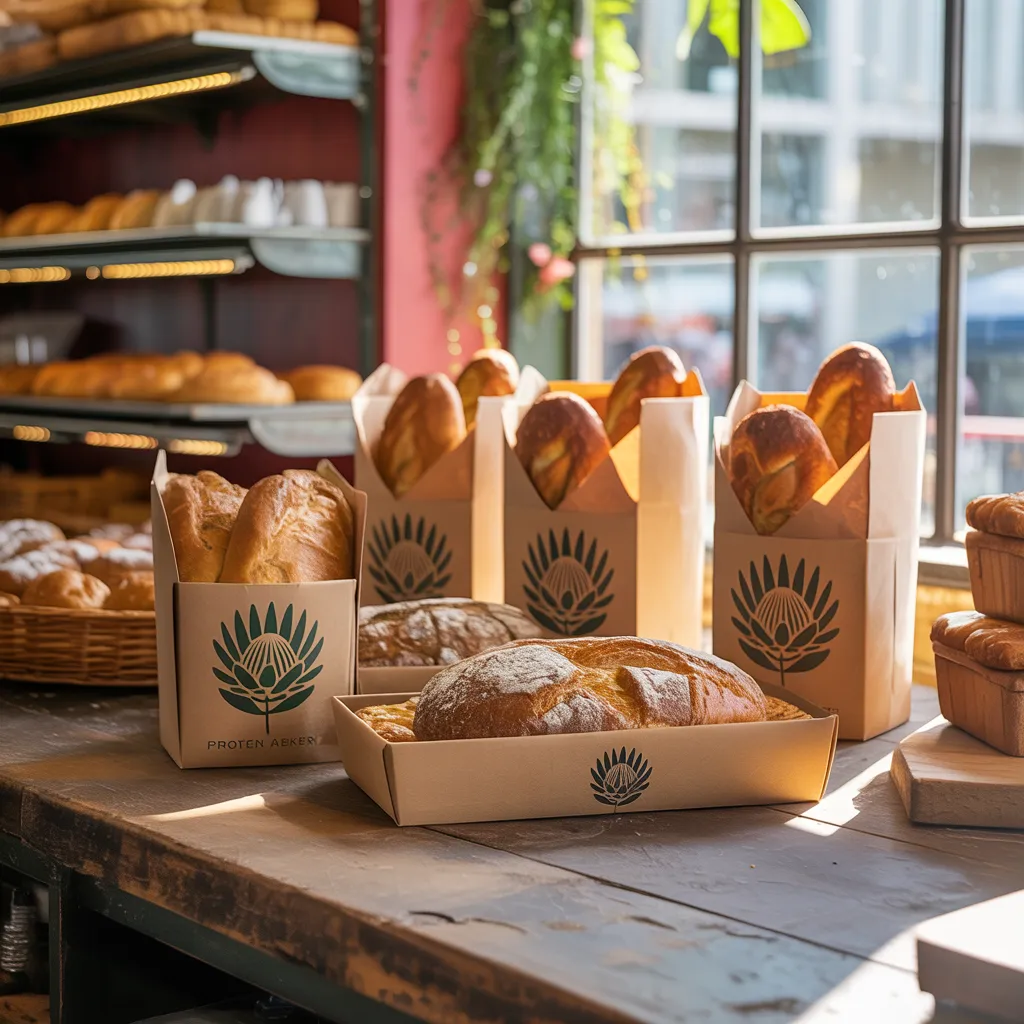
Why Baking Packaging Matters for Freshness and Appeal
When considering the success of bakery products, packaging serves a vital function in preserving freshness and improving visual presentation. The right packaging not only maintains the quality and flavor of baked goods but also engages customers with its presentation. Freshness is critical; insufficient packaging may result in staleness or deterioration, diminishing the product's overall desirability.
Moreover, compelling packaging can reflect brand identity and elicit emotional responses, ultimately affecting purchasing decisions. Shape, color, and texture each play a role in the perception of quality. A professionally designed package can function as a marketing tool, showcasing the attention and artistry behind the baked goods.
Within a competitive marketplace, strategic packaging sets a product apart, enhancing its visibility on store shelves. In the end, the significance of packaging reaches far beyond basic functionality; it represents an essential element of the entire experience for shoppers, making certain that baked goods are both fresh and visually enticing.
Types of Packaging Materials to Keep Your Treats Fresh
When it comes to maintaining the quality of baked items, the choice of storage materials is of paramount importance. Airtight plastic containers feature moisture-locking seals that maintain freshness, while numerous paper wrapping choices deliver ventilation and an artisanal quality. Understanding the benefits of each type can help bakers choose wisely for the best possible preservation.
Advantages of Plastic Containers
Plastic containers present an effective option for maintaining the quality of baked goods. Their airtight seals effectively protect against moisture and air exposure, which can lead to spoilage. Both durable and lightweight, plastic containers are easy to handle and transport, making them ideal for both amateur bakers and commercial establishments. They come in various shapes and sizes, accommodating everything from cookies to cakes. Additionally, many plastic options are transparent, permitting attractive showcasing while allowing buyers to see the contents clearly. Another major advantage is reusability, as they are easily cleaned and used again. In addition, plastic containers are generally affordable, making them ideal for bakers with limited budgets while guaranteeing that goods stay fresh and attractive.
Paper Packaging Options
Several paper packaging options present practical solutions for preserving the condition of baked goods. Greaseproof paper is widely used for its capacity to block grease and liquids, protecting the quality of items like cookies and pastries. Waxed paper delivers equivalent protection, creating a protective layer against air and moisture, while also lending a elegant appearance. For bulkier items, windowed paper bags permit visibility while shielding contents from external elements. In addition, kraft boxes are robust and environmentally friendly, making them a green option for baked desserts. Every choice not only guarantees freshness but also enhances presentation, enticing customers to enjoy the items inside. All things considered, selecting the right paper packaging can elevate both presentation and product integrity.
Expert Tips to Help Your Treats Shine
Creating an eye-catching design for bakery packaging can greatly boost the appeal of treats. First, color is a key factor; vibrant hues can draw the eye while matching the flavor profile or theme of the confections. Using contrasting colors for typography and backdrop guarantees readability and draws the eye.
Including distinctive designs and textures can additionally make packaging be more appealing. Specially crafted die-cut boxes or window panels allow consumers to get a look at the items inside, increasing appeal.
Type design must not be neglected; picking typefaces that reflect the organization's personality can greatly shape overall brand impression.
Lastly, incorporating ornamental features like ribbons, stickers, or stamps adds a personal touch, enhancing the overall aesthetic. Such design see the full story approaches not only improve the product's visual appeal but also reflect quality and care, building a relationship with interested shoppers.
How to Select the Ideal Box for Your Treats
Selecting the ideal box for bakery items requires thoughtful attention to a few important factors. To begin, the size of the box should align with the amount and variety of items being stored. A tight fit minimizes shifting, which can lead to harm. Additionally, material choice is vital; strong materials like cardboard or plastic offer protection while keeping items fresh.
The design of the box also plays a role, as it should enhance the visual appeal of the items inside. Clear windows can display elegantly decorated treats, while bold colors can draw the eye. Furthermore, pay attention to the box's convenience of assembly and transport; uncomplicated designs support faster packing and handling.
Last but not least, verify the box is food-safe, as safety is essential in the packaging of food. By balancing material, size, functionality, and design, bakers are able to select the perfect box that keeps their creations safe while showcasing them elegantly.
Eco-Friendly Baking Packaging Options for Conscious Bakers
As bakers increasingly prioritize sustainability, eco-friendly packaging options are becoming essential. Sustainable materials, such as recycled paper and plant-based plastics, are gaining traction among conscious bakers. Furthermore, compostable packaging options provide an eco-friendly approach to showcasing baked goods while reducing environmental impact.
Sustainable Material Choices
What makes a baking packaging choice truly sustainable? It depends on the materials chosen and their impact throughout their lifecycle. Mindful bakers are increasingly looking for packaging made from renewable materials, like recycled paper, bamboo, and plant-derived plastics. These materials not only reduce reliance on fossil fuels but also minimize waste. Furthermore, eco-friendly packaging ought to be lightweight to cut transportation emissions and built for reuse or recycling. Choosing locally sourced packaging is another avenue bakers can pursue, benefiting community economies and reducing carbon emissions. Ultimately, the goal is to balance functionality with environmental responsibility, ensuring that the packaging preserves freshness without compromising the planet's health. These thoughtful decisions appeal to environmentally aware customers, strengthening brand loyalty and visibility.
Biodegradable Packaging Solutions
While many bakers aim for eco-friendly practices, compostable packaging alternatives prove to be an ideal option for those committed to sustainability. These materials, often derived from plant-based substances, break down naturally and enrich the soil, making them ideal for environmentally conscious baking. Options include compostable bags, containers, and wraps that preserve product quality while reducing ecological harm. Additionally, using such packaging can enhance a brand's image, attracting customers who value sustainable goods. Many suppliers offer a range of designs, ensuring that bakers can find aesthetically pleasing options that align with their branding. Through selecting compostable packaging, bakers help diminish landfill accumulation, generating a meaningful impact across their communities and beyond.
Tailoring Packaging to Showcase Your Brand Identity
Designing packaging that captures a brand's character is vital for differentiating yourself in a crowded marketplace. Tailored packaging not only boosts the visual appeal of baked goods but also conveys a company's principles and history. From typography and hues to textures and forms, every detail supports a unified brand identity. For example, a bakery focused on eco-consciousness can choose environmentally conscious materials featuring simple aesthetics, while a high-end brand might prefer refined finishes and tasteful typography.
Integrating distinctive brand components, including logos and taglines, reinforces recognition and builds customer loyalty. Furthermore, exclusive packaging designs can generate excitement and drive repeat purchases. By harmonizing packaging selections with their overarching brand strategy, bakery owners can foster a memorable customer experience that extends beyond the product itself, ultimately driving sales and enhancing brand reputation in a saturated marketplace.
Commonly Asked Questions
How Should I Correctly Store Baked Goods Prior to Packaging?
To adequately store baked goods before packaging, one ought to allow them to cool entirely on a wire rack, and subsequently place them in airtight vessels or wrap them firmly in cling wrap to maintain freshness and prevent moisture loss.
Can I Reuse Packaging From Store-Bought Baked Goods?
Yes, you can make use of packaging from store-bought baked goods, so long as it is undamaged and clean. Nevertheless, ensuring proper sanitation is important to avoid contamination and maintain the freshness of the new baked items.
Which Packaging Size Works Best for Various Baked Goods?
Optimal packaging sizes differ: small boxes suit cookies, medium-sized containers are ideal for cupcakes, while larger boxes accommodate cakes. Securing a tight fit protects against damage and keeps items fresh, elevating the visual appeal of each baked treat.
How Do I Guarantee That My Packaging Meets Food Safety Standards?
To secure food-safe packaging, individuals should choose materials that have been approved by regulatory bodies, eliminate the use of toxic chemicals, and verify that containers are non-toxic. Additionally, proper sealing techniques and cleanliness during handling further enhance safety.
What Are the Pricing Factors Associated With Custom Packaging Options?
The expenses related to custom packaging options vary considerably according to design complexity, order quantity, and materials. Companies frequently encounter production costs, initial setup fees, and potential shipping expenses, affecting total budget planning for their packaging needs.